 Save
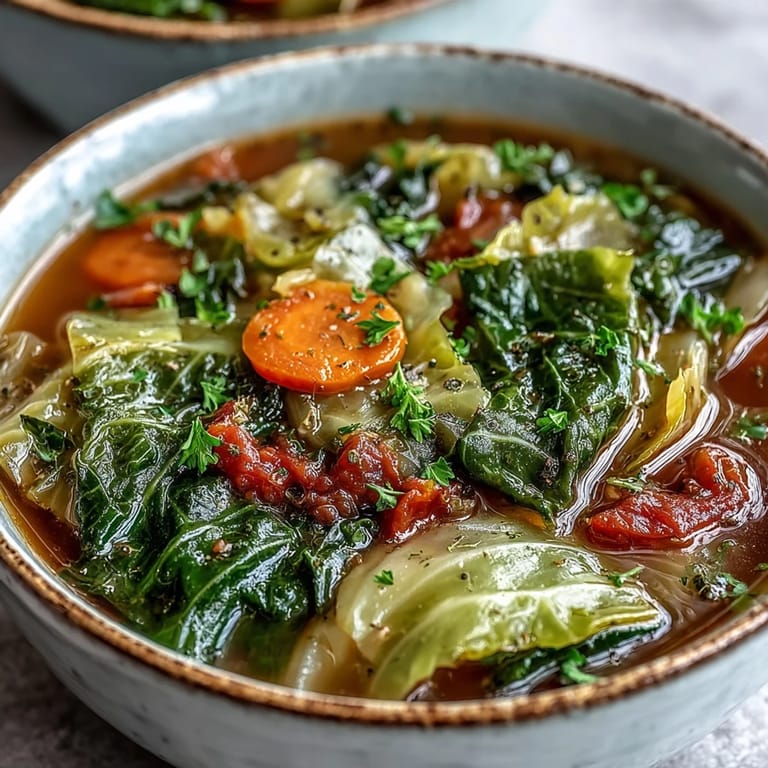
Save There was a Tuesday last winter when I opened the fridge and found half a cabbage I'd bought with grand plans and promptly forgotten. The outer leaves were a little tired, but the heart was still crisp and pale green. I grabbed it, along with a few carrots and a lonely onion, and decided to make soup instead of ordering takeout. What started as a practical rescue mission turned into one of those quiet cooking afternoons where the kitchen fills with steam and the windows fog up, and you remember why homemade anything beats delivery every time.
I made this soup for my neighbor who'd just had surgery and didn't feel like eating much. She called me two days later asking for the recipe, saying it was the first thing that actually tasted good and didn't sit heavy. That's when I realized this wasn't just a way to use up cabbage. It was the kind of food that shows up when people need gentleness, warmth, and something that doesn't ask much of them in return.
Ingredients
- Green cabbage: The star here, and it should be firm with tightly packed leaves; don't worry if the outer ones look rough, just peel them away and chop the rest into bite-sized pieces.
- Carrots and celery: These two add sweetness and structure, and slicing them thinly helps them cook evenly without turning mushy.
- Yellow onion: A standard onion works beautifully; dice it small so it melts into the broth and builds that savory base.
- Garlic: Fresh is best, minced fine so it disperses and perfumes the whole pot without overpowering.
- Diced tomatoes: Use the kind with juice; it adds body and a slight tang that balances the cabbage's mild sweetness.
- Tomato paste: Just two tablespoons deepen the color and give the broth a richer, rounder flavor.
- Vegetable broth: The liquid foundation; homemade is lovely, but a good quality store-bought works just as well.
- Dried thyme and bay leaf: Classic herbs that bring warmth without competing; remember to fish out the bay leaf before serving.
- Smoked paprika: Optional but wonderful; it adds a subtle smokiness that makes the soup feel more complex.
- Fresh parsley: A handful chopped at the end brightens everything and makes each bowl feel intentional.
Tired of Takeout? 🥡
Get 10 meals you can make faster than delivery arrives. Seriously.
One email. No spam. Unsubscribe anytime.
Instructions
- Start with the aromatics:
- Heat your pot over medium heat with a little oil, then add the onion, carrot, and celery, stirring occasionally until they soften and start to smell sweet, about five minutes. Toss in the garlic and let it cook just until fragrant, no more than a minute or it'll turn bitter.
- Wilt the cabbage:
- Add all that chopped cabbage and stir it around; it'll look like too much at first, but it shrinks fast as it wilts. Let it cook for three or four minutes, stirring now and then, until it starts to collapse and turn tender.
- Build the tomato base:
- Stir in the tomato paste and let it cook for a minute, coating the vegetables and darkening slightly. This step caramelizes the paste and adds depth you won't get if you skip it.
- Add liquids and seasonings:
- Pour in the diced tomatoes with their juice, the vegetable broth, thyme, bay leaf, smoked paprika if using, and a good pinch of salt and pepper. Stir everything together so the flavors start mingling right from the start.
- Simmer until tender:
- Bring the pot to a boil, then lower the heat, cover, and let it simmer gently for 25 to 30 minutes. The cabbage should be completely tender and the broth should taste cohesive and warm.
- Finish and serve:
- Pull out the bay leaf, taste the soup, and adjust the salt or pepper if needed. Ladle into bowls and scatter fresh parsley on top for a pop of color and freshness.
 Save
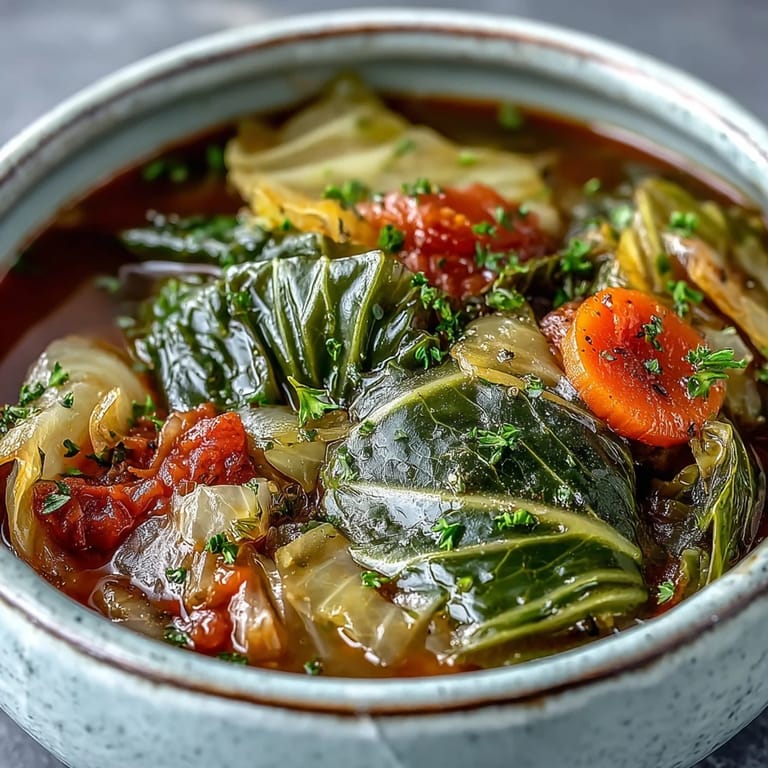
Save I brought a thermos of this soup to a potluck once, not expecting much fanfare since it wasn't fancy or impressive looking. But three people asked for the recipe before we even sat down to eat, and one friend texted me later that week saying she'd made it twice already. Sometimes the simplest things are what people remember, not because they're complicated, but because they taste like care.
Making It Heartier
If you want something more substantial, add diced potatoes along with the cabbage or stir in a can of drained white beans during the last ten minutes of cooking. Both additions make the soup more filling without changing its gentle, comforting character, and they soak up the tomato broth beautifully.
Storage and Reheating
This soup keeps in the fridge for up to five days and freezes well for three months in airtight containers. Reheat it gently on the stove, adding a splash of broth or water if it's thickened up, and taste again for seasoning since flavors can mellow after freezing.
Serving Suggestions
A thick slice of rye bread or a crusty roll is all you really need alongside this soup, but it also pairs nicely with a simple green salad or a dollop of sour cream if you're not keeping it dairy-free.
- Serve it as a light lunch with buttered toast and a handful of pickles on the side.
- Make it part of a cozy dinner with roasted chicken or a grilled cheese sandwich.
- Pack it in a thermos for work or school; it travels well and tastes even better after sitting for a few hours.
 Save
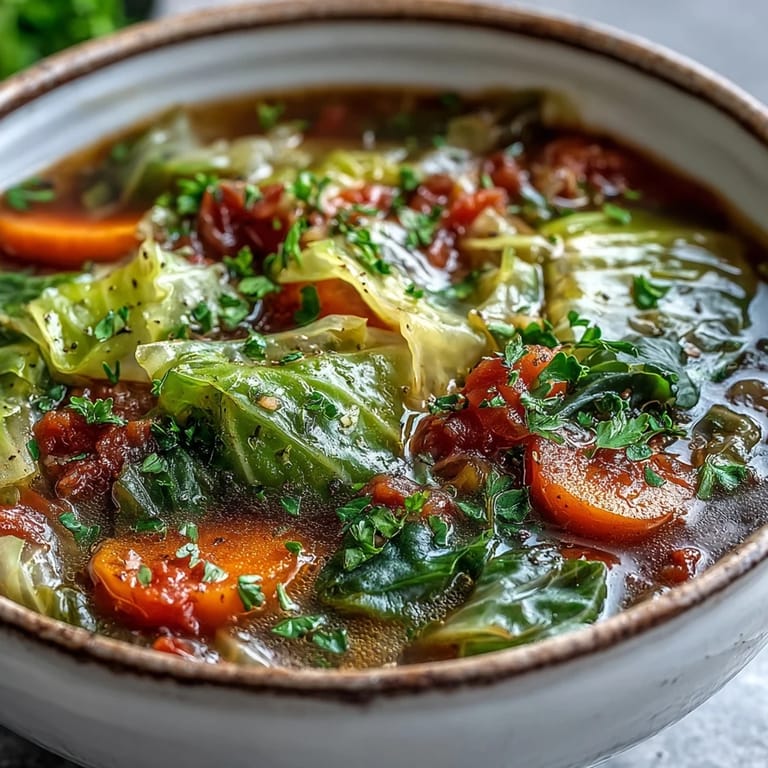
Save This soup has become my answer to cold weather, tight budgets, and days when I need something reliable and kind. I hope it finds a place in your kitchen the way it has in mine.
Recipe FAQs
- → Can I make this soup ahead of time?
Yes, this soup actually tastes better the next day as the flavors meld together. Store in an airtight container in the refrigerator for up to 5 days, or freeze for up to 3 months.
- → How can I make this soup heartier?
Add diced potatoes during step 5, or stir in cooked white beans, chickpeas, or lentils near the end of cooking. You can also serve it over cooked rice or barley.
- → What type of cabbage works best?
Green cabbage is traditional and provides the best texture. However, savoy cabbage also works well and has a milder, sweeter flavor. Avoid red cabbage as it will change the soup's color.
- → Can I use fresh tomatoes instead of canned?
Yes, substitute with 3-4 medium fresh tomatoes, diced. You may need to simmer a bit longer to develop the tomato flavor, and add a pinch of sugar if the tomatoes are acidic.
- → What can I serve with this soup?
Traditional accompaniments include rye bread, crusty sourdough, or dinner rolls. For a complete meal, serve with a simple green salad or grilled cheese sandwich.
- → How do I prevent the cabbage from becoming mushy?
Cut the cabbage into uniform pieces and avoid overcooking. The 25-30 minute simmer time should leave the cabbage tender but not falling apart. Check at 25 minutes.