 Save
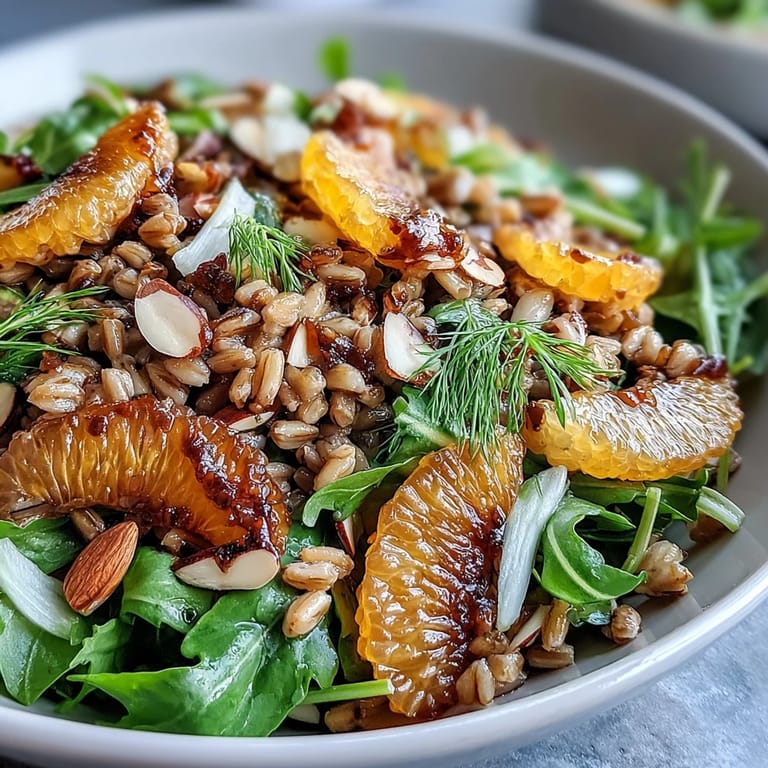
Save Last spring, I was standing in my kitchen on a gray afternoon, staring at a half-empty fridge and wondering what to do with some farro I'd bought weeks earlier. My neighbor had just dropped off a bag of oranges from her tree, and something about the brightness of them against the dull weather made me want to build a salad around that citrus energy. That first bite—the nutty chew of the grain, the licorice whisper of fennel, the burst of juice from the orange—felt like a small rebellion against the dreariness outside. It became my go-to lunch that entire season.
I made this for a potluck once where I was the last person to arrive, and honestly, I was nervous about showing up with a salad. But watching people come back for seconds, asking for the recipe—one woman even photographed it—reminded me that simplicity done well never goes out of style. It wasn't fancy or fussy, just honest food that made people happy.
Ingredients
- Whole grain farro: Use the whole grain variety, not pearl farro, because it has more texture and holds its shape better; rinse it first to remove any dust.
- Water and kosher salt: The salt in the cooking water seasons the farro from within, so don't skip this step even though it seems small.
- Medium fennel bulb: Choose one that's white and firm, not yellowing; the fronds are delicate and anise-scented, so save them for a whisper of garnish.
- Large oranges: Pick ones that feel heavy for their size—they'll have more juice; segment them yourself instead of buying pre-cut to avoid the metallic taste of oxidation.
- Arugula or baby spinach: This adds a peppery freshness that keeps the salad from feeling heavy; it wilts slightly when dressed, which is exactly what you want.
- Fresh parsley: Don't use dried here; the bright, grassy flavor of fresh parsley is essential to the whole personality of this dish.
- Sliced almonds, toasted: Toasting them yourself takes three minutes and transforms them from bland to golden and nutty; store them in an airtight container if you're making them ahead.
- Extra-virgin olive oil: This is one of four ingredients, so it matters—use something you'd actually taste on its own.
- Orange juice and lemon juice: Fresh squeezed makes a noticeable difference; bottled juice tastes tinny and flattens the brightness.
- Honey or maple syrup: Just a teaspoon balances the acidity and helps the dressing emulsify slightly.
- Dijon mustard: This is an emulsifier and flavor builder; it helps the oil and citrus become one cohesive dressing instead of separating.
Tired of Takeout? 🥡
Get 10 meals you can make faster than delivery arrives. Seriously.
One email. No spam. Unsubscribe anytime.
Instructions
- Rinse and cook the farro:
- Run the farro under cold water in a fine mesh strainer, stirring it gently with your fingers so any debris floats away. Bring the three cups of water to a boil in your saucepan, add the rinsed farro and salt, then lower the heat and cover—you'll hear it simmer steadily, and that sound means it's working.
- Toast the almonds:
- While the farro cooks, put your sliced almonds in a dry skillet over medium heat and stay with them, stirring every few seconds until they turn golden brown and fill your kitchen with that incredible toasted nut smell. This takes about two to three minutes, and the moment they start smelling fragrant, pull them off the heat so they don't burn.
- Assemble the base:
- Once the farro is tender but still has a slight chew (don't overcook it into mush), drain it and spread it on a plate to cool faster. Thinly slice your fennel bulb—a mandoline makes this easier if you have one—and segment your oranges by cutting away the peel and pith, then working your knife between the membranes.
- Make the dressing:
- In a small bowl or jar, combine the olive oil, fresh orange and lemon juices, honey, Dijon mustard, salt, and pepper. Whisk or shake vigorously for about thirty seconds until it comes together—you want it emulsified and glossy, not separated and slick.
- Bring it together:
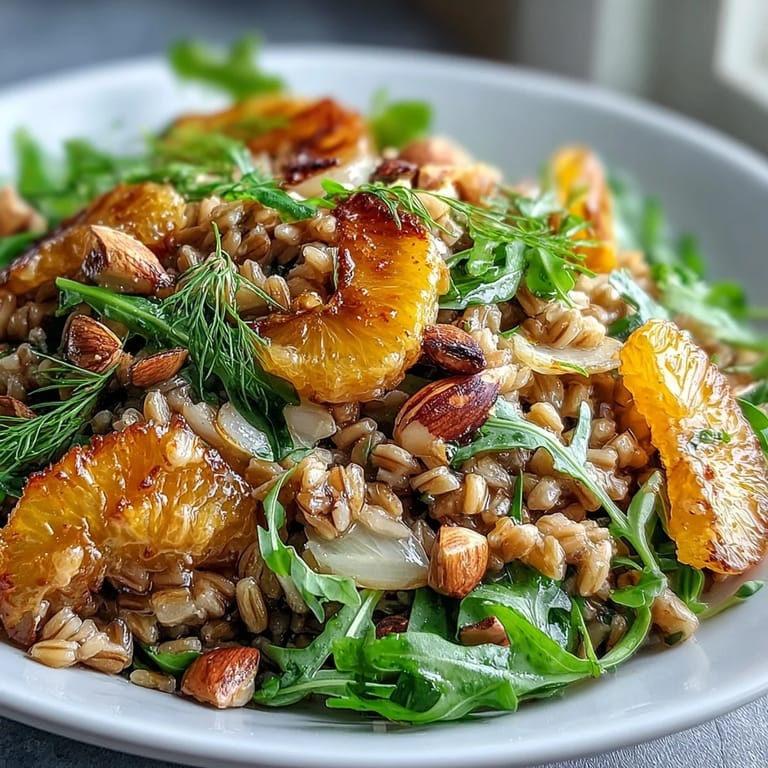
- In your large bowl, toss the cooled farro with the fennel, orange segments, greens, and parsley, then drizzle the dressing over everything and fold gently until every grain is coated. Add the toasted almonds last, toss once more, and garnish with those reserved fennel fronds—they're delicate and lovely.
 Save
Save My teenage daughter tried this once and said it tasted like what summer feels like, which isn't something anyone usually says about lunch. That comment stuck with me because it reminded me that food isn't just fuel—it's a moment where brightness and intention and simple ingredients become something that actually lands in someone's heart.
Why This Salad Works in Any Season
The beauty of this recipe is that it adapts without losing its soul. In winter, when oranges are at their peak, the salad feels bright and necessary when everything else is heavy. In summer, you might swap in grapefruit or blood oranges for a different kind of zing. The farro, that quiet grain at the center of everything, stays constant and grounding no matter what fruit surrounds it. It's the kind of salad that reminds you there's no such thing as an off-season for good eating.
The Fennel Factor
Fennel is the secret ingredient that makes people pause and ask what that flavor is. It has this subtle anise undertone that sounds like it shouldn't work with citrus and almonds, but it does—it creates this almost Mediterranean conversation between the ingredients. Some people are hesitant about fennel because they've had bad experiences with it dominating a dish, but when it's sliced thin and raw, it stays delicate and slightly sweet. I learned this the hard way by over-slicing it once, making it so pronounced that it overshadowed everything else.
Pairing and Serving Ideas
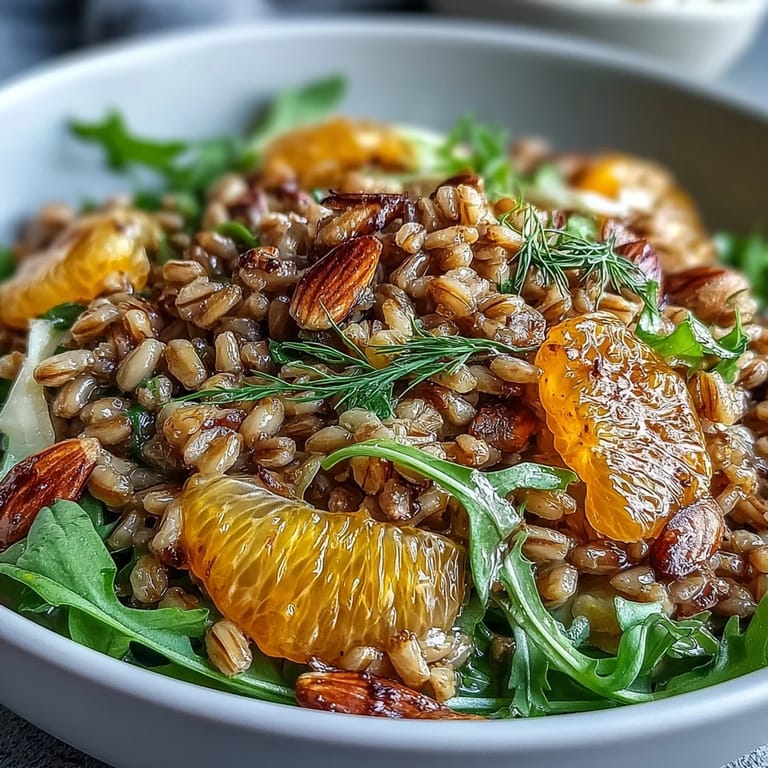
This salad is forgiving about its company—it works as a light lunch on its own, a side dish alongside roasted fish or chicken, or even as the foundation for grain bowls. I've brought it to potlucks, packed it in mason jars for office lunches, and served it to vegetarian friends as a main course topped with crispy chickpeas. The flavors stay bright even when chilled, so it's one of those rare salads that actually improves slightly after sitting in the fridge overnight as the dressing penetrates the grains.
- Top with grilled salmon or white beans to make it more substantial if you're eating it as your main course.
- A crisp Sauvignon Blanc or even a light rosé pairs beautifully with all the citrus and herbs.
- Make a double batch on Sunday and you'll have something good to reach for all week without getting bored.
 Save
Save There's something grounding about a salad like this one—it's the kind of recipe that teaches you to trust simple combinations and your own instincts in the kitchen. I hope it becomes something you make for yourself, not because someone told you to, but because you found yourself standing in front of those ingredients one day and decided they deserved to be together.
Recipe FAQs
- → Can I make this ahead of time?
Absolutely. This salad keeps well for 2-3 days when refrigerated. Store the dressing separately and toss just before serving to maintain the fresh texture of the arugula and almonds.
- → What can I substitute for farro?
Barley, wheat berries, or spelt work well as alternatives. For a gluten-free option, try quinoa, brown rice, or sorghum. Adjust cooking time according to your grain choice.
- → How do I slice fennel properly?
Trim the fronds and stalks, cut the bulb in half lengthwise, and remove the tough core. Then slice thinly crosswise for delicate ribbons that blend beautifully with the grains.
- → Can I add protein to this dish?
Grilled chicken, shrimp, or chickpeas make excellent protein additions. Simply cook your protein separately and fold it into the salad before serving.
- → What oranges work best here?
Navel oranges offer classic sweetness, while blood oranges provide stunning color. For variety, try segmenting a mix of orange varieties or incorporating grapefruit for extra brightness.
- → Is this served warm or cold?
This salad offers versatility. Serve slightly warm for a cozy lunch, or chilled for a refreshing side dish. The flavors develop beautifully after a few hours in the refrigerator.