 Save
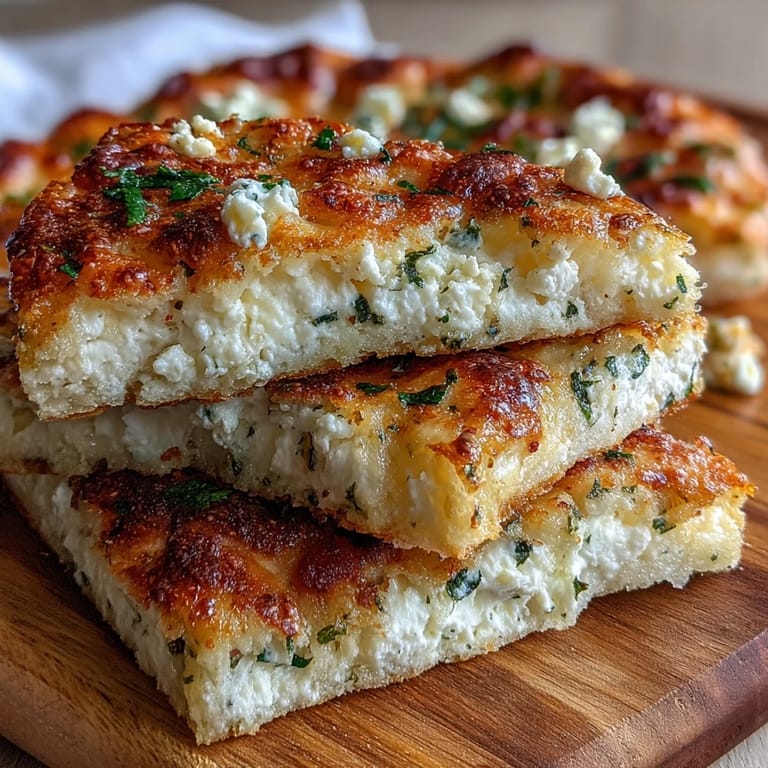
Save One afternoon, I was staring at a tub of cottage cheese that had been pushed to the back of the fridge, and I refused to let it go to waste. I remembered reading somewhere that cottage cheese could make dough incredibly soft, so I grabbed some flour and decided to experiment. Twenty minutes later, I was pulling golden, bubbling flatbreads off the skillet, and they were so tender I ate two before dinner was even ready. Now these flatbreads show up at least twice a week in my kitchen.
I made a batch of these on a rainy Saturday when my sister came over with her kids. We turned them into mini pizzas, and the kids went wild choosing their own toppings. Watching those flatbreads puff up in the skillet felt like a magic trick every single time. Even my sister, who claims she cant bake, asked for the recipe before she left.
Ingredients
- All-purpose flour: This forms the structure of your flatbread, and keeping extra nearby for dusting makes rolling so much easier.
- Baking powder: Just half a teaspoon gives these flatbreads their signature puff and light texture without any yeast or waiting.
- Fine salt: It balances the tang from the cottage cheese and brings out the flavor of the herbs.
- Garlic powder: Optional but highly recommended if you want a savory, aromatic note in every bite.
- Full-fat cottage cheese: Drain it well or your dough will be too wet, and the richness here is what makes the flatbreads stay soft.
- Egg: This binds everything together and adds a subtle richness that makes the dough easier to work with.
- Olive oil: A tablespoon in the dough keeps it tender, and a little more in the skillet gives you those beautiful golden spots.
- Fresh herbs: Parsley or chives add little green flecks and a fresh, bright flavor that makes these feel homemade.
- Water: Only add it if your dough feels crumbly, start with a teaspoon and go slow.
Tired of Takeout? 🥡
Get 10 meals you can make faster than delivery arrives. Seriously.
One email. No spam. Unsubscribe anytime.
Instructions
- Combine the dry ingredients:
- Whisk the flour, baking powder, salt, and garlic powder in a medium bowl until there are no streaks. This ensures every bite has even seasoning.
- Mix the wet ingredients:
- In another bowl, mash the drained cottage cheese with the egg, olive oil, and herbs using a fork until its mostly smooth. A few small curds are fine and add texture.
- Form the dough:
- Pour the wet mixture into the dry ingredients and stir gently with a spatula until a shaggy dough forms. If it feels too dry, add water one teaspoon at a time until it just comes together.
- Knead lightly:
- Turn the dough onto a floured surface and fold it over itself 6 to 8 times, just enough to make it smooth. Over-kneading will make your flatbreads tough.
- Rest the dough:
- Cover the dough with a towel or plastic wrap and let it sit for 10 minutes. This short rest makes rolling much easier and keeps the texture tender.
- Shape the flatbreads:
- Divide the dough into 4 equal pieces and roll each into a ball, then flatten into rounds about a quarter inch thick. Dust with flour as needed to prevent sticking.
- Heat the skillet:
- Warm a nonstick or cast-iron skillet over medium heat and brush it lightly with olive oil. The pan should be hot but not smoking.
- Cook the first side:
- Place one flatbread in the skillet and cook for 2 to 3 minutes until bubbles form and the bottom turns golden. Those bubbles are your sign to flip.
- Flip and finish:
- Flip the flatbread and cook another 1 to 2 minutes until golden and cooked through. Adjust the heat if it browns too fast or cooks too slow.
- Keep warm and repeat:
- Transfer the cooked flatbread to a plate and cover with a towel to keep it soft. Repeat with the remaining dough, adding more oil as needed.
 Save
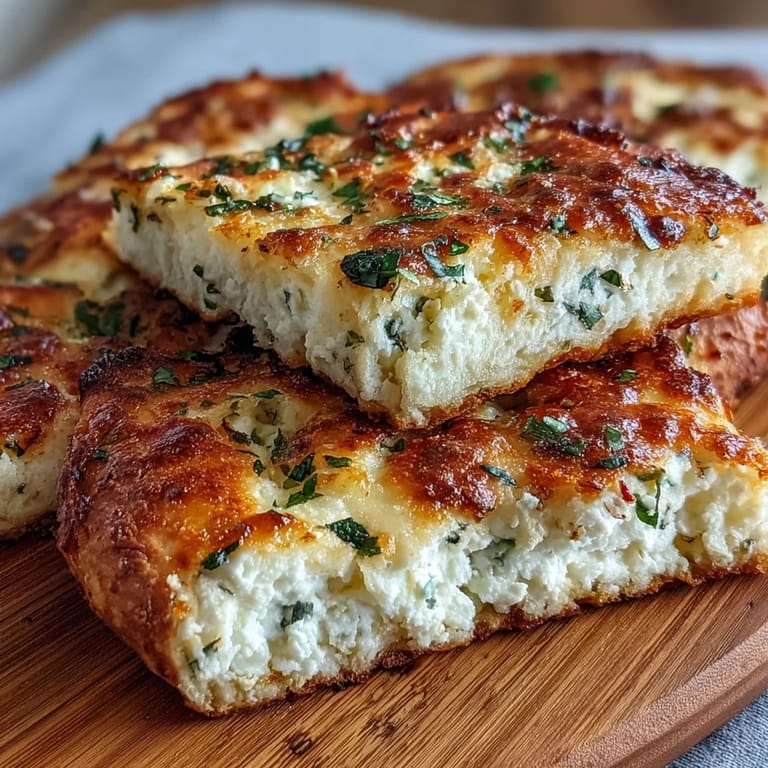
Save The first time I packed these in my lunch, a coworker asked if I had ordered takeout because they smelled so good reheated. I told her they were homemade, and she didnt believe me until I brought her one the next day. Now she makes them every Sunday and fills her freezer for the week ahead.
Storing and Reheating
These flatbreads keep beautifully in an airtight container in the fridge for up to three days, and they freeze for a month without losing their softness. When I reheat them, I toss them in a dry skillet for 30 seconds per side or wrap them in a damp paper towel and microwave for 15 seconds. They come back to life like they were just made, soft and warm and ready for anything.
Customizing Your Flatbreads
Once you get the hang of the basic dough, you can fold in all kinds of extras. I have stirred in finely chopped spinach for green flecks, minced sun-dried tomatoes for a pop of sweetness, and even a pinch of red pepper flakes when I want a little heat. You can swap the herbs for dried oregano or basil if thats what you have on hand. These flatbreads take on whatever mood youre in.
Serving Suggestions
I have used these flatbreads as wraps for grilled chicken and veggies, torn them into pieces for dipping into baba ganoush, and topped them with marinara and mozzarella for quick personal pizzas. They are sturdy enough to hold fillings but soft enough to fold without cracking. On lazy nights, I brush them with garlic butter and sprinkle them with parmesan, then serve them alongside soup.
- Use them as a base for breakfast wraps with scrambled eggs and avocado.
- Slice them into wedges and bake until crispy for homemade chips.
- Brush with olive oil and za'atar before cooking for a Middle Eastern twist.
 Save
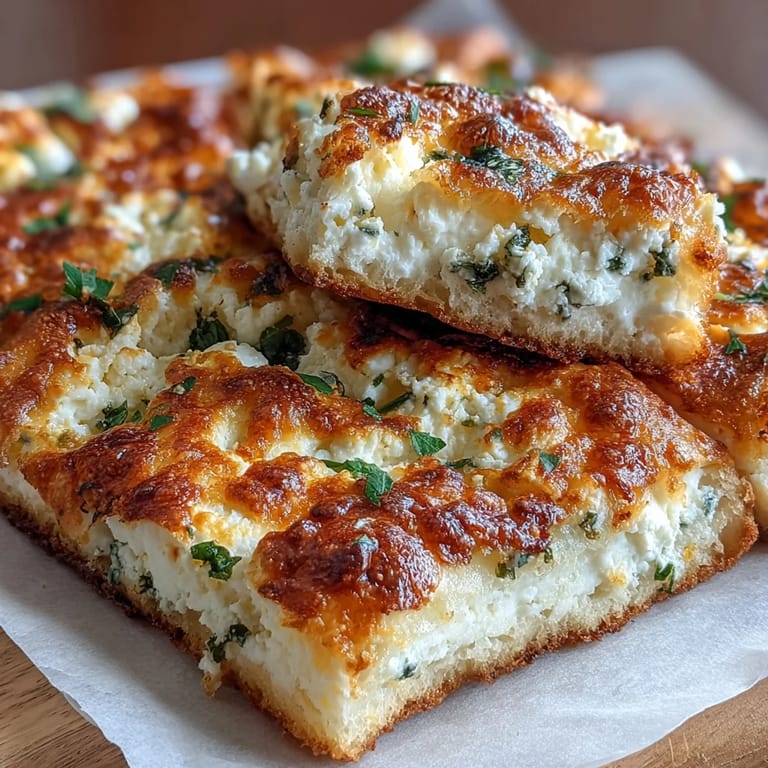
Save These flatbreads have become one of those recipes I make without thinking, the kind that feels like a small win every time they come off the skillet. I hope they become that for you too.
Recipe FAQs
- → Why is my dough too sticky to handle?
A slightly sticky dough is normal—dust your hands and surface with flour while rolling. If it's unworkable, add another teaspoon of flour. The cottage cheese provides moisture, so you'll need less water than traditional flatbread doughs.
- → Can I use low-fat cottage cheese?
Full-fat cottage cheese yields the softest texture and richest flavor. Low-fat versions work but may produce slightly drier flatbreads. Add an extra teaspoon of olive oil if using reduced-fat cheese to maintain tenderness.
- → How do I store and reheat leftovers?
Keep cooled flatbreads in an airtight container for 3 days or freeze for 1 month. Reheat in a warm skillet for 30 seconds per side, or wrap in a damp paper towel and microwave for 15–20 seconds to restore softness.
- → What can I use instead of flour?
A 1:1 gluten-free flour blend works well—add 1 tablespoon ground flaxseed for better texture. The dough may be slightly more fragile, so handle gently when rolling and transferring to the skillet.
- → Why do my flatbreads puff unevenly?
Uneven heat or thick spots in the dough cause irregular puffing. Roll each round to an even ¼-inch thickness and ensure your skillet is fully preheated. Don't crowd the pan—cook one or two at a time for consistent bubbling.
- → Can I double this batch?
Absolutely. The dough holds well covered in the refrigerator for up to 24 hours before cooking. Double all ingredients, divide into 8 portions, and cook as directed. Leftovers freeze beautifully between layers of parchment paper.