 Save
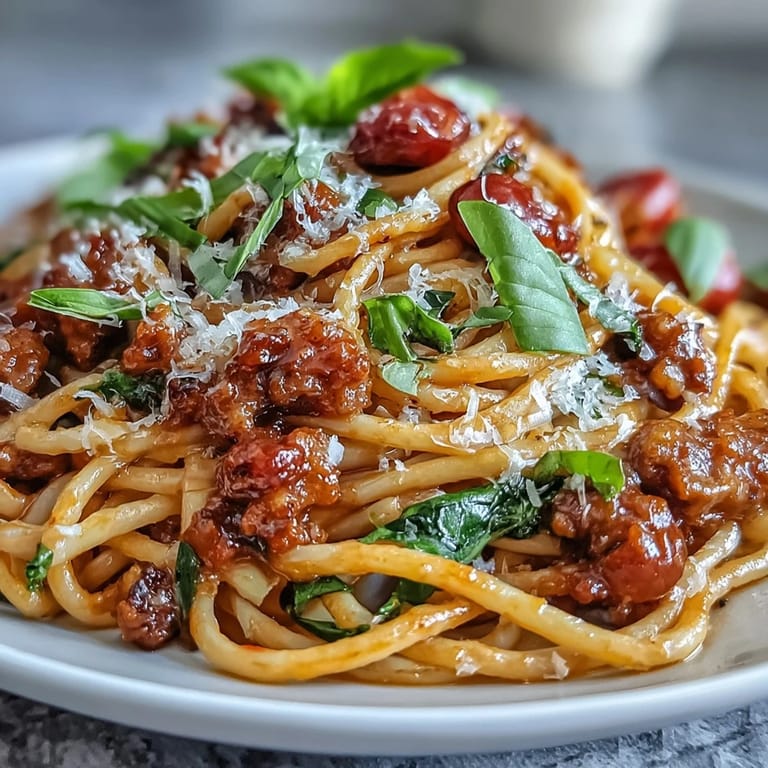
Save My neighbor Marco showed up at my door one evening with a bottle of Chianti and a mischievous grin, asking if I could turn it into dinner. What followed was this gloriously messy fusion dish—Italian meets Asian in a wine-soaked skillet, full of sausage, tomatoes, and enough garlic to clear a room. The pasta soaks up every drop of that bold sauce, and somehow the soy sauce and balsamic vinegar make perfect sense alongside the basil and Parmesan. That night taught me that the best dishes often happen by accident, when you stop overthinking and just play.
I made this for a small group on a rainy Tuesday, not knowing if the flavor mashup would actually work. The smell of garlic and sausage hitting the hot pan, then that moment when the wine deglazes and fills the kitchen with steam—everyone leaned in closer. By the time I tossed the fresh basil through, three people were standing in the kitchen asking for the recipe, which is when you know you've stumbled onto something real.
Ingredients
- Spaghetti or linguine: 12 ounces; stick with what you like, though thinner shapes catch the sauce better.
- Extra-virgin olive oil: 2 tablespoons; this is your cooking fat, so don't skimp on quality.
- Yellow onion: 1 small, thinly sliced; it melts into the sauce and adds sweetness to balance the spice and wine.
- Garlic cloves: 4, minced; fresh is non-negotiable here.
- Red pepper flakes: 1 teaspoon; this is your heat anchor, so taste as you go if you're sensitive to spice.
- Italian sausage or shrimp: 8 ounces; sausage gives richness, shrimp keeps it lighter.
- Cherry tomatoes: 1 pint, halved; their sweetness plays beautifully against the wine and spice.
- Tomato paste: 2 tablespoons; concentrated flavor that deepens the sauce.
- Dry red wine: ½ cup, Chianti or Sangiovese; the alcohol cooks off, leaving complexity behind.
- Soy sauce: 2 tablespoons; the secret to that savory, umami depth you can't quite name.
- Worcestershire sauce: 1 tablespoon; adds another layer of umami and tang.
- Balsamic vinegar: 1 teaspoon; a whisper of sweetness and acidity.
- Fresh basil: ½ cup, roughly torn; stir it in at the end so it stays bright and aromatic.
- Fresh parsley: 2 tablespoons, chopped; it adds color and a clean note.
- Parmesan cheese: ¼ cup grated, plus extra; melts into the pasta and finishes each bite.
- Salt and black pepper: to taste; always season in layers.
Tired of Takeout? 🥡
Get 10 meals you can make faster than delivery arrives. Seriously.
One email. No spam. Unsubscribe anytime.
Instructions
- Start the pasta water:
- Fill a large pot with water, salt it generously so it tastes like the sea, and bring it to a rolling boil. You want this going while you prep everything else so nothing has to wait.
- Cook the pasta:
- Drop your pasta in once the water is truly boiling and cook until just al dente—that moment when it still has a slight firmness to the bite. Scoop out 1 cup of that starchy cooking water before you drain, then set the pasta aside; you'll use that water to loosen the sauce later.
- Heat your skillet:
- While pasta cooks, get a large skillet hot over medium-high heat. The pan should be large enough that everything fits comfortably without crowding, which lets things brown instead of steam.
- Build the aromatics:
- Swirl in olive oil, then add your sliced onion. Let it soften for a couple of minutes, stirring occasionally, until it starts to turn translucent. Add your minced garlic and red pepper flakes, and stir constantly for about 30 seconds—you want the garlic fragrant but not burned.
- Cook your protein:
- If using sausage, crumble it into the pan and cook for 5 to 7 minutes, breaking it into smaller pieces as it browns; you're looking for color and a cooked-through texture. If using shrimp, cook for 2 to 3 minutes per side until they turn pink and opaque—don't overcook or they'll toughen.
- Add the tomatoes:
- Toss in your halved cherry tomatoes and the tomato paste. Stir everything together and let it cook for about 2 minutes. Use the back of your spoon to gently mash some of the tomatoes so they release their juices into the pan.
- Deglaze with wine:
- Pour in your red wine, scraping the bottom of the pan with a wooden spoon to loosen all those flavorful browned bits. Let it bubble away for 2 to 3 minutes until the liquid reduces by about half; you're concentrating the wine flavor and cooking off some of the raw alcohol taste.
- Season the sauce:
- Stir in the soy sauce, Worcestershire sauce, and balsamic vinegar. Taste it now and adjust salt, pepper, or red pepper flakes to your preference—this is your last chance to balance the flavors.
- Marry the pasta and sauce:
- Add your drained pasta to the skillet and toss everything together over low heat. Pour in reserved pasta water a few tablespoons at a time, stirring gently, until the sauce coats every strand and looks glossy; the starch in that water helps the sauce cling beautifully.
- Finish with fresh herbs:
- Pull the skillet off the heat and stir in your torn basil, chopped parsley, and grated Parmesan. Keep stirring until the cheese melts and distributes evenly, tasting one more time to see if you need any final adjustments.
- Plate and garnish:
- Divide the pasta among bowls and scatter extra fresh basil, a pinch of Parmesan, a few slivers of red chili if you want heat, and a lemon wedge for brightness on top.
 Save
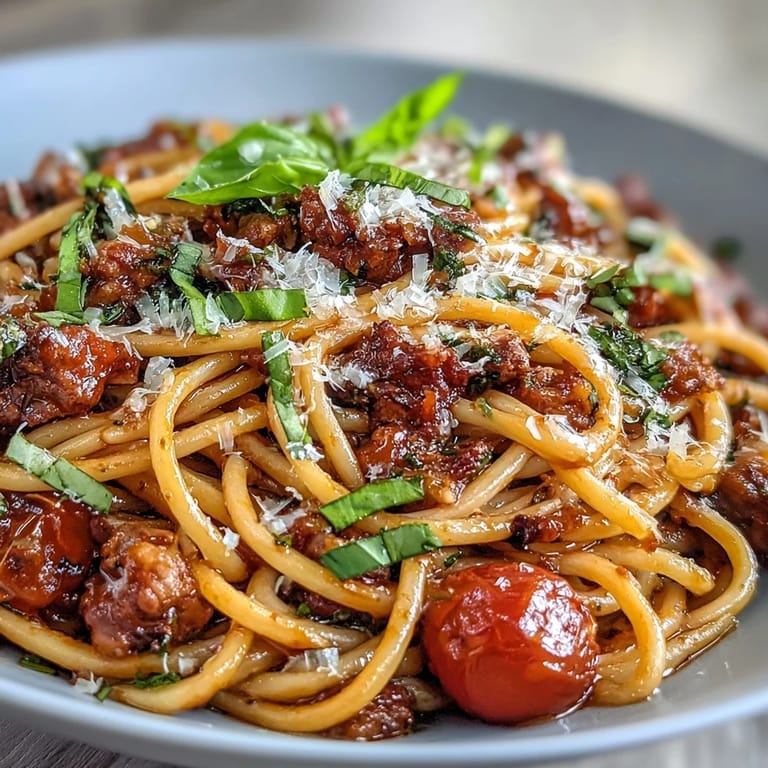
Save There's a moment near the end, when the skillet is still warm but off the heat and the basil releases its fragrance into the wine-soaked pasta, where you realize this dish became something bigger than the sum of its parts. It's when friends look up from their bowls with surprise and say, where did you learn to cook like this?
Why This Fusion Works
Italian cuisine teaches us about balance through wine, tomato, and fresh herbs, while Asian flavors bring umami depth through soy and fermented elements. When they meet in one skillet, something unexpected happens—the wine carries the soy deeper into the pasta, the Worcestershire anchors the tomato sweetness, and the basil keeps everything from feeling too heavy. It's not confused cooking; it's confident cooking that knows both traditions well enough to dance between them.
Variations to Try
If meat isn't your thing, sauté thick slices of mushroom or pressed tofu in that same hot pan until golden, and the sauce wraps around them just as lovingly. Whole wheat or gluten-free pasta works beautifully here, though watch the cooking time since they behave differently. You could also split the heat: make half the batch with shrimp and half with sausage if you're feeding a mixed crowd, and let everyone choose their side.
Storage, Leftovers & Make-Ahead
This pasta actually tastes better the next day once flavors have had time to knit together, which makes it perfect for meal prep. Store it covered in the fridge for up to 3 days, and when you reheat, add a splash of water or a bit more wine to loosen the sauce since pasta continues to absorb moisture as it sits. You can also prep the sauce entirely ahead of time and cook the pasta fresh, then toss them together just before serving.
- Reheat gently over low heat or in the microwave with a splash of liquid to avoid the pasta drying out.
- Leftovers make a satisfying cold pasta salad the next day if you add a drizzle of fresh olive oil and lemon juice.
- Make the sauce in double batches and freeze it for up to a month, then thaw and cook fresh pasta when hunger strikes.
 Save
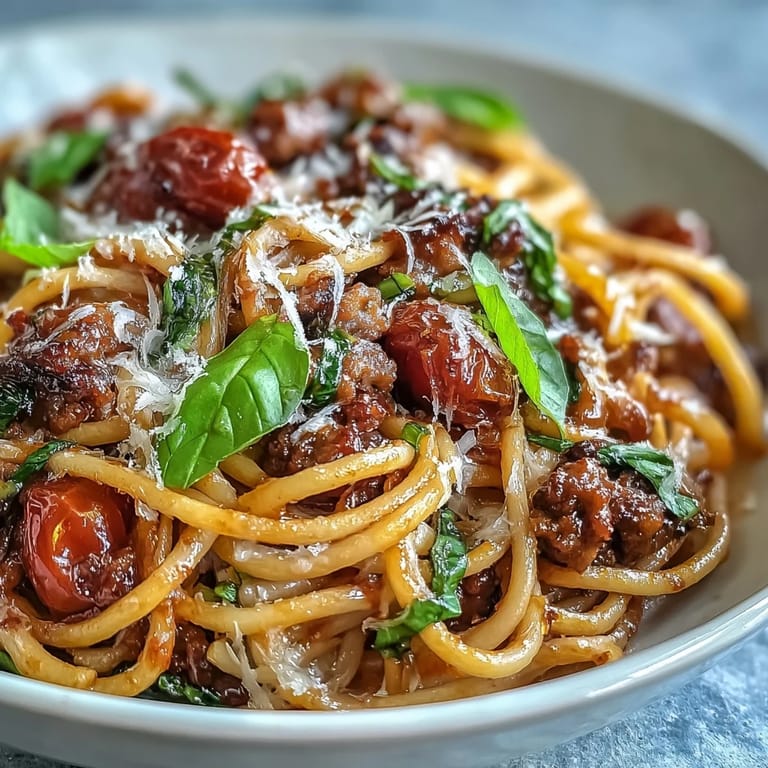
Save This dish arrived in my kitchen as an experiment and stayed as a regular, which is the truest sign a recipe belongs in your rotation. Make it when you want dinner that feels a little fancy but doesn't demand hours of your time or impossible ingredients.
Recipe FAQs
- → What makes these noodles 'drunken'?
The name comes from the generous amount of red wine (Chianti or Sangiovese) that's reduced in the sauce, infusing the dish with wine-kissed flavor and depth.
- → Can I make this vegetarian?
Yes, simply omit the sausage or shrimp and substitute sautéed mushrooms or marinated tofu for protein. Use vegetarian Worcestershire sauce to keep it fully meat-free.
- → What pasta works best?
Spaghetti or linguine are traditional choices, but any long pasta works beautifully. Whole wheat or gluten-free varieties are excellent options for dietary preferences.
- → How spicy is this dish?
The heat level is adjustable with red pepper flakes. Start with one teaspoon for moderate warmth, or increase for extra kick. Fresh chilies can be added for even more spice.
- → Can I substitute the wine?
While Chianti or Sangiovese provides authentic flavor, any dry red wine works. For non-alcoholic versions, use additional beef or vegetable broth with a splash of balsamic vinegar.
- → How should I store leftovers?
Store covered in the refrigerator for up to 3 days. Reheat gently with a splash of water or wine to loosen the sauce, restoring its silky consistency.