 Save
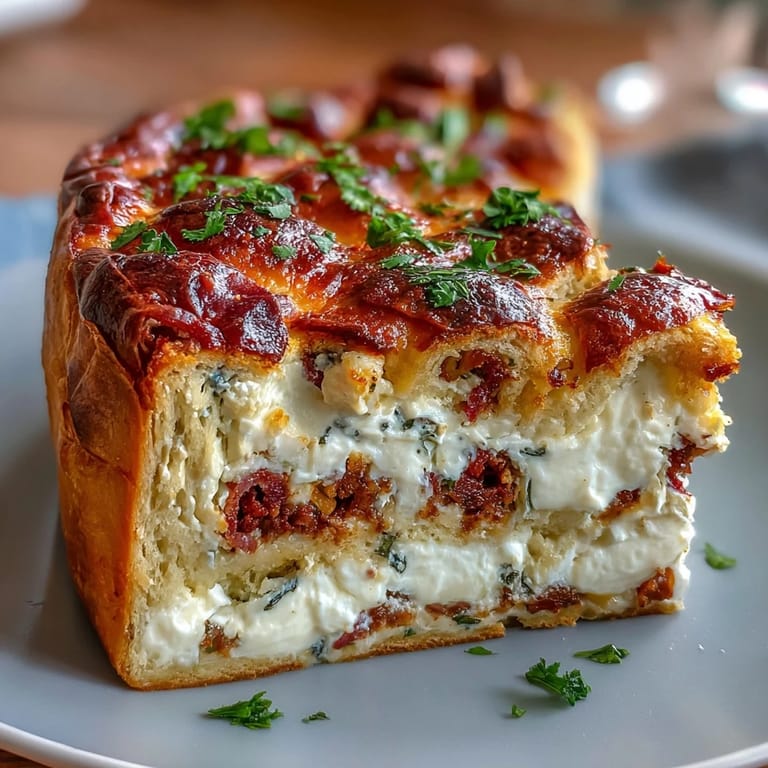
Save My neighbor Maria once brought this pie to our Easter gathering, and the whole kitchen filled with this savory aroma that made everyone stop talking. She'd learned it from her grandmother in Campania, where apparently every family has their own version tucked away in tradition. The first slice I took was still warm, and that combination of creamy ricotta with salty salami just made sense in a way I hadn't expected. Now when spring arrives and I smell that particular blend of nutmeg and parsley in butter, I'm instantly transported to her kitchen, wooden spoon in hand, laughing over how the lattice never comes out quite perfect but somehow that's the whole point.
I made this for the first time on a rainy April afternoon when my daughter asked if we could cook something that "felt fancy but wasn't too scary." We built it together, her tiny hands helping me brush the egg wash on the lattice strips, and when it emerged from the oven all golden and puffed, she declared it the most beautiful thing she'd ever made. Three hours later, sitting at the table with the pie still cooling, she asked if we could do this again next year, and that's when I knew this recipe had become ours.
Ingredients
- All-purpose flour: The foundation of a tender, flaky pastry that won't shatter when you roll it out, and cold is genuinely your friend here.
- Unsalted butter, cubed and very cold: This creates those delicate layers in the crust that make biting into it feel like a small triumph.
- Salt: Just enough to wake up the flavor without making anyone guess what it is.
- Eggs (pastry and filling): They bind everything together and give the whole pie its structure and that slightly custardy texture when baked.
- Cold water: Add it slowly because every kitchen is different and your flour might need less than you think.
- Whole-milk ricotta, well drained: This is where the magic happens, and draining it matters more than you'd expect because excess moisture is the enemy of a set filling.
- Heavy cream: This luxurious component makes the filling taste like something you'd pay for at a restaurant but somehow made at home.
- Parmigiano-Reggiano: Real aged stuff if you can swing it, because the flavor difference is noticeable and worth the investment.
- Italian salami, diced: Those little salty pockets throughout are what make this dish sing and distinguish it from sweet ricotta desserts.
- Shredded mozzarella: A milder cheese that complements rather than overwhelms, creating a balanced filling.
- Fresh parsley: A handful of bright green that adds freshness and prevents the whole thing from feeling too heavy.
- Ground black pepper and nutmeg: These spices whisper rather than shout, adding warmth and depth that most people can't quite name.
Tired of Takeout? 🥡
Get 10 meals you can make faster than delivery arrives. Seriously.
One email. No spam. Unsubscribe anytime.
Instructions
- Heat your oven and prepare your pan:
- Get that oven to 375°F and grease your springform or deep pie pan thoroughly so nothing sticks and your beautiful crust stays intact when you serve it. This small preparation makes everything easier later.
- Build your pastry dough:
- Combine flour and salt, then work in those cold butter cubes until everything looks like coarse breadcrumbs, which means the butter pieces are still distinct and haven't warmed up. Add eggs and just enough cold water until a soft dough forms, knead it gently for maybe ten seconds, wrap it, and let it rest in the fridge for 20 minutes while you gather your other ingredients.
- Line the pan with pastry:
- Roll out about two-thirds of your dough and settle it into the pan, letting the edges hang over the sides since they'll be trimmed later. This overhang is your safety net against the filling shrinking as it bakes.
- Mix your filling until creamy:
- Combine ricotta, eggs, heavy cream, both cheeses, parsley, salt, pepper, and nutmeg in a bowl, stirring until smooth and well blended. Fold in your diced salami gently so it distributes evenly without breaking apart.
- Pour and smooth:
- Transfer the filling into your pastry-lined pan and level the top with a spatula so it bakes evenly. This only takes a minute but matters more than you'd think.
- Create your lattice top:
- Roll out the remaining pastry and cut it into strips about half an inch wide, then weave them over the filling in a classic crosshatch pattern. It doesn't have to be perfect, and honestly, the more rustic it looks, the more authentic it feels.
- Seal and beautify:
- Trim the overhanging pastry and crimp the edges with a fork or your fingers to seal everything together, then brush the entire top with beaten egg so it'll turn golden and gorgeous. This egg wash is what gives you that bakery-quality finish.
- Bake until golden:
- Slide it into the oven for 55 to 60 minutes, watching until the crust is deep golden and the filling looks set but still slightly jiggly in the very center. If the edges brown too quickly, drape some foil loosely over them and keep going.
- Cool before serving:
- Let it rest for at least 30 minutes so the filling sets completely and becomes easy to slice without collapsing. Serve it warm, at room temperature, or even chilled, depending on the season and your mood.
 Save
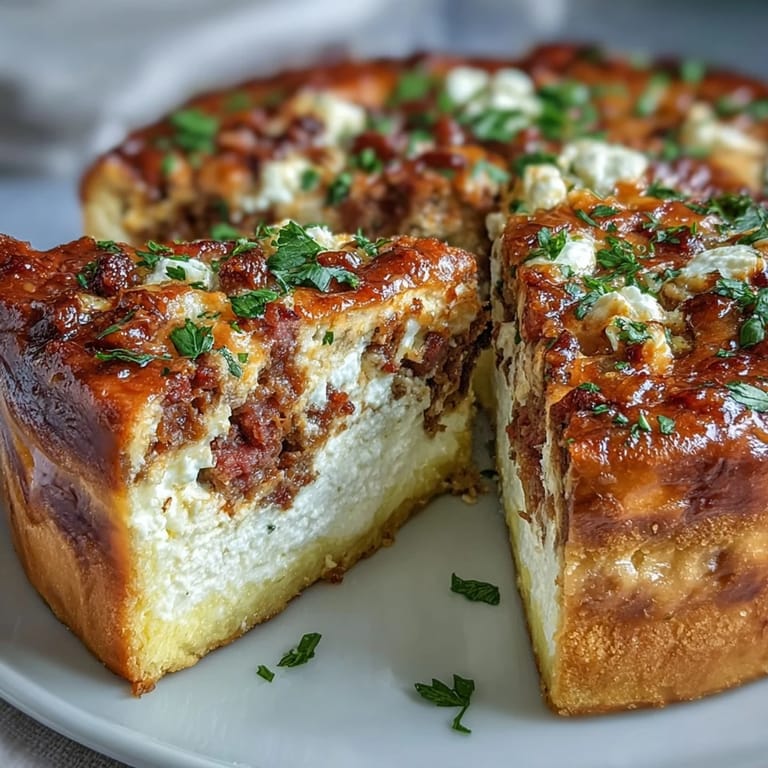
Save There's something about bringing this pie to a gathering that transforms the whole meal into an occasion, even if it's just a casual Sunday lunch with friends. People linger over it, asking for the recipe, and suddenly you're the person who knows how to make something that feels both traditional and surprising.
Pastry Secrets That Change Everything
The difference between a pastry that shatters beautifully and one that's tough comes down to respecting the butter and the cold. When I rush this step and work with warm hands, I can feel the difference immediately, and the crust suffers for it. The other thing nobody tells you is that after you roll out your pastry, letting it rest for even five minutes in the fridge before lining the pan prevents it from shrinking during baking, which saves you from having to patch things up halfway through.
The Filling That Makes This More Than Just Quiche
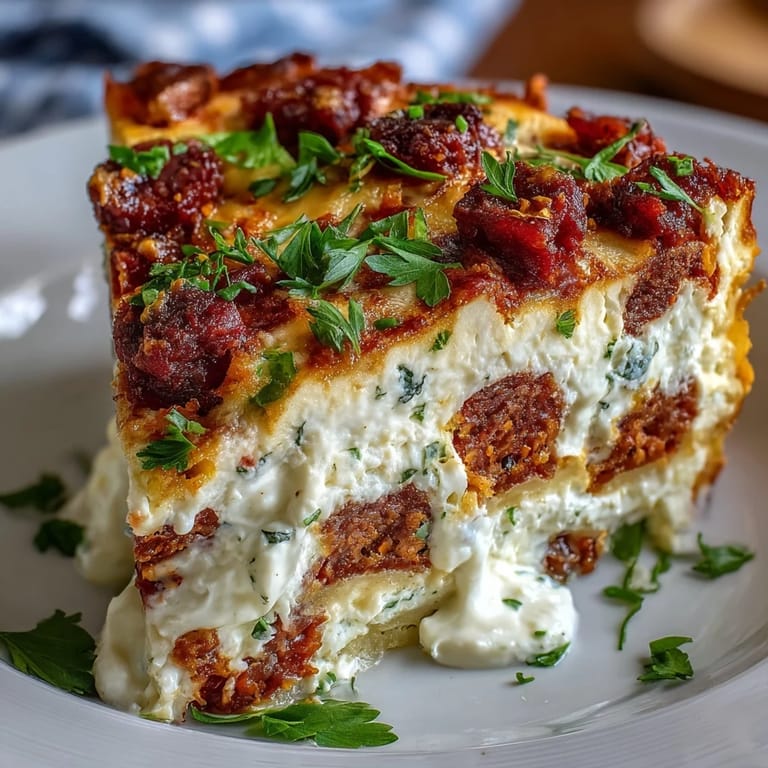
This isn't a quiche because the salami is what defines it, creating pockets of salty, umami-rich flavor that balance the creamy cheese base. I've tried substituting the salami with prosciutto or skipping it for a vegetarian version with sautéed spinach, and while both work, something essential shifts when that distinctive salami flavor is missing. The filling itself is quite forgiving, and I've learned that you can adjust the herb ratios or even add a tablespoon of lemon zest if you want brightness, but the salami is where the Italian soul of this dish lives.
Timing and Temperature Matter More Than You'd Think
The first time I made this, I got impatient and pulled it out at 50 minutes because it looked golden, only to discover the filling was still too soft when I sliced it. Now I use the jiggle test, looking for just a tiny bit of movement in the very center while the rest is clearly set, and that's my signal that it's done. The cooling time isn't just tradition, either, it's actually essential because the filling continues to set as it cools, and cutting into a warm pie will give you a crumbly mess instead of clean slices.
- If your crust edges are browning too fast, loosely drape foil over them and keep the filling baking until it's truly set.
- Let the pie rest at room temperature for the full 30 minutes before slicing, even if you're serving it warm.
- Leftovers keep well refrigerated for three days and can be reheated gently or enjoyed cold.
 Save
Save This pie has become my Easter contribution, my celebration-day centerpiece, and proof that food rooted in tradition can still feel fresh and exciting when you cook it with intention. There's nothing quite like watching someone bite into a warm slice and understand immediately why this dish has survived generations.
Recipe FAQs
- → What cheese types are used in this pie?
The pie combines creamy whole-milk ricotta, shredded mozzarella, and grated Parmigiano-Reggiano for a rich and balanced filling.
- → Can I substitute the salami for other meats?
Yes, prosciutto or cooked ham can be used as alternatives to salami for a different flavor profile.
- → How is the pastry dough prepared for this pie?
The dough is made by mixing flour, salt, and cold butter to a crumbly texture, then binding with eggs and cold water before chilling.
- → Is there a vegetarian option for this dish?
For a vegetarian twist, omit the salami and add sautéed spinach or artichokes to the filling instead.
- → How should the pie be served and stored?
It tastes best warm or at room temperature, and leftovers should be refrigerated to maintain freshness.
- → What is the baking temperature and time?
Bake at 375°F (190°C) for 55–60 minutes until the crust is golden and filling is set.