 Save
Save One evening, I found myself staring at a salmon fillet and wondering why restaurant versions always tasted so much more interesting than mine. That's when I stumbled onto miso—not as an afterthought, but as the main character. The umami depth it brings feels almost secret, like you've discovered a flavor nobody else bothered to unlock. Paired with wilted spinach and fresh ginger, this dish somehow became the thing I crave when I want to feel both nourished and genuinely excited about what I'm eating.
I made this for my friend who claims she doesn't like fish, and she went back for seconds without even realizing what she was eating. The miso's richness somehow convinces your brain that salmon is supposed to taste this way, and by the time she figured it out, she'd already fallen for it. That moment—watching skepticism turn into genuine curiosity—is when I knew this recipe was special.
Ingredients
- Salmon fillets (4, about 150g each): Look for ones with a bright color and firm texture; if you can choose, skin-on holds together beautifully during cooking and adds richness you didn't know you were missing.
- White miso paste (2 tbsp): This is the backbone of everything—it's milder and sweeter than red miso, which means it plays well with fish instead of overpowering it.
- Mirin (1 tbsp): A touch of Japanese sweetness that balances the umami; dry sherry works too if you don't have it on hand.
- Low-sodium soy sauce (1 tbsp): Keep it low-sodium so you can actually taste the miso rather than just salt.
- Honey or maple syrup (1 tbsp): Adds a subtle sweetness and helps the glaze caramelize beautifully in the oven.
- Sesame oil (1 tsp): A little goes a long way here—it's not a cooking oil, just a flavor accent that brings nuttiness to the glaze.
- Fresh grated ginger (1 tsp for the glaze): Grate it just before using; the fresh bite cuts through the richness and keeps the whole dish feeling light.
- Olive or sesame oil (2 tbsp for spinach): Olive oil is safer if you're worried about heat; sesame oil is more flavorful but burns easily, so keep the temperature moderate.
- Shallot (1 large, thinly sliced): More delicate than onion, shallots add sweetness and sophistication without harshness.
- Garlic (2 cloves, minced): Fresh garlic makes the spinach taste intentional rather than like something you forgot to season properly.
- Fresh ginger (1 tbsp, julienned for spinach): Sliced into thin matchsticks, it stays visible on the plate and gives you little bursts of warmth with each bite.
- Baby spinach (400g, washed and dried): Wet spinach releases water and gets soggy; taking thirty seconds to dry it changes everything about the final texture.
- Lemon wedges (for serving): A squeeze of fresh lemon just before eating brightens the whole dish and adds acidity that miso loves.
Tired of Takeout? 🥡
Get 10 meals you can make faster than delivery arrives. Seriously.
One email. No spam. Unsubscribe anytime.
Instructions
- Set the stage:
- Preheat your oven to 200°C and line a baking tray with parchment paper—this prevents sticking and cleanup becomes a non-issue. Working ahead means you're not scrambling once the salmon goes in.
- Build the glaze:
- In a small bowl, whisk miso paste with mirin, soy sauce, honey, sesame oil, and grated ginger until you have a smooth, glossy paste. The whisking motion helps the miso dissolve properly instead of staying chunky.
- Prepare the salmon:
- Pat your salmon fillets completely dry with paper towels—moisture is the enemy of that caramelized surface you're after. Place them on the prepared tray and brush the miso glaze generously across the top of each fillet, making sure it's even.
- Bake the salmon:
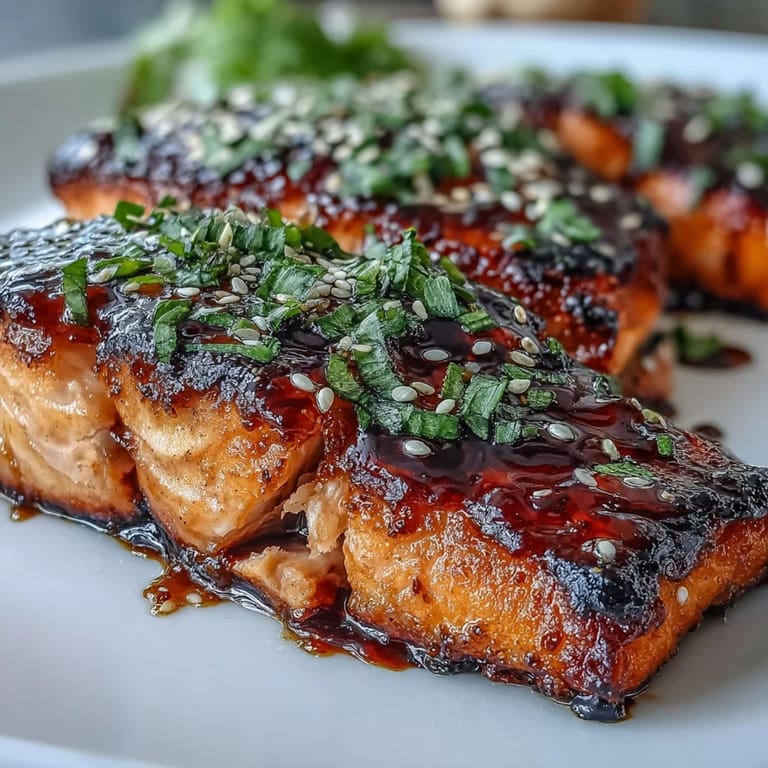
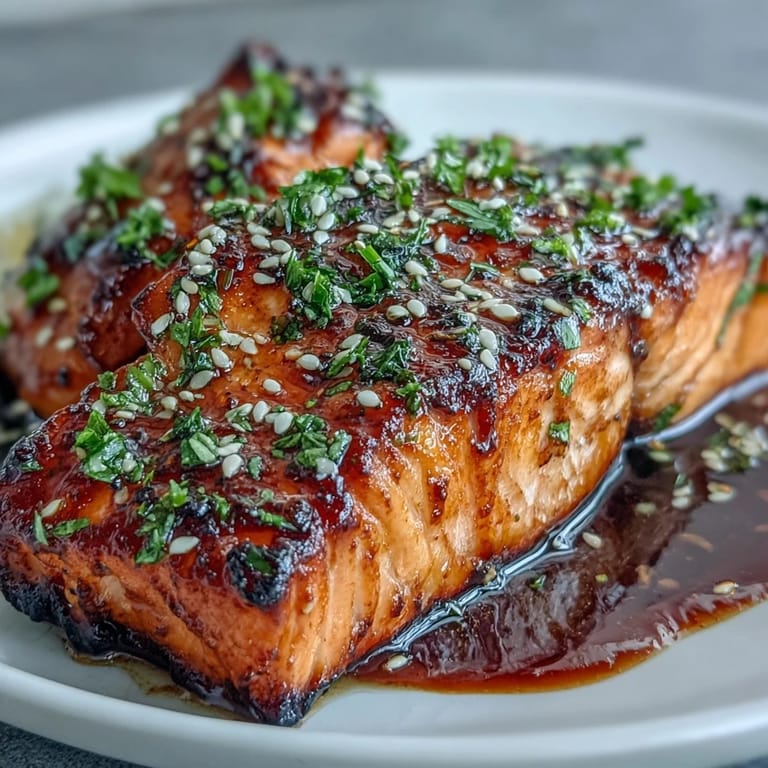
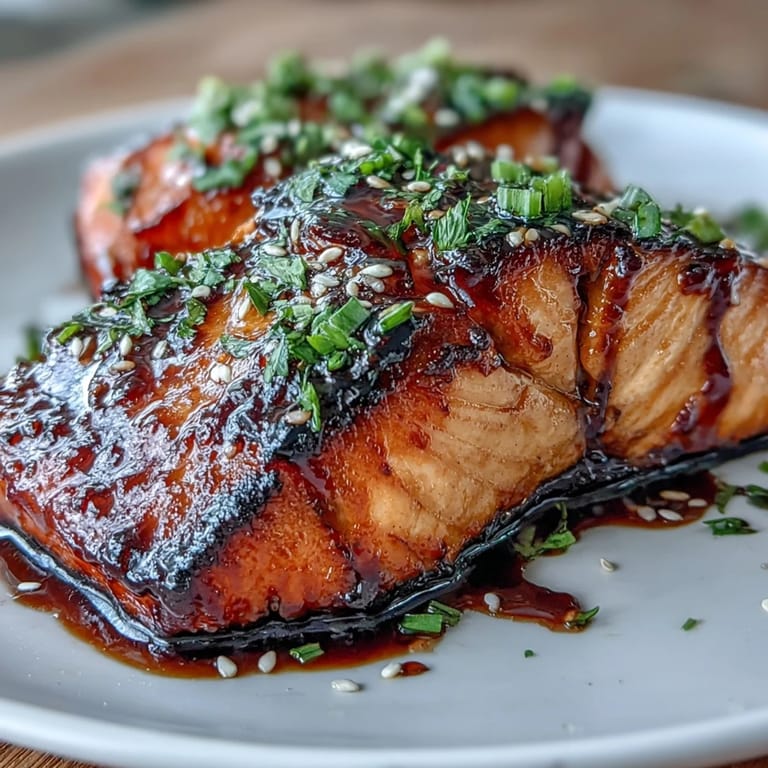
- Slide the tray into the oven and let it cook for ten to twelve minutes, watching as the glaze turns from glossy to lightly caramelized and the flesh turns opaque at the edges. You'll know it's done when the thickest part flakes gently with a fork and the glaze has a subtle golden edge.
- Start the spinach:
- While the salmon bakes, heat your oil in a large skillet over medium heat and add the sliced shallot, minced garlic, and julienned ginger. Listen for the gentle sizzle and breathe in that moment—about one to two minutes and it'll smell irresistible and fragrant.
- Wilt the greens:
- Add your dried spinach in batches, stirring as it wilts down; it takes less time than you think, maybe two to three minutes total. Season with soy sauce and black pepper, taste it, and adjust if needed—sometimes spinach drinks seasoning, sometimes it doesn't.
- Bring it together:
- Divide the warm spinach among your plates, crown each portion with a miso-glazed salmon fillet, and set a lemon wedge nearby so everyone can squeeze it over just before eating.
 Save
Save There's something almost meditative about watching the miso glaze turn golden in the oven—knowing that something this simple is about to taste absolutely foolproof. I've served this to people who claim they're picky, people who are busy, people who just want something honest and nourishing, and it works for everyone.
Why Miso Changes Everything
Miso is one of those ingredients that seems intimidating until you actually taste what it does. It adds depth without being obvious, sweetness without being cloying, and umami without tasting fishy or aggressive. Once you understand that miso works with salmon instead of against it, you start seeing it everywhere—in glazes, dressings, even soups.
The Spinach Base Matters More Than You'd Think
Spinach might seem like a supporting player, but it's actually doing serious work here. It picks up the ginger and garlic flavors, it adds minerals and earthiness that ground the whole plate, and it gives you something substantial to rest the salmon on instead of a bare plate. The way the salty ginger-studded greens play against the sweet miso glaze is where the magic actually lives.
Small Details That Shift Everything
The difference between good and great here often comes down to the smallest choices. Toasted sesame seeds add a final texture and nuttiness that feels intentional, scallions bring a fresh onion bite that cuts through richness, and a squeeze of lemon at the table reminds your palate that this is seafood, not something heavy. These aren't requirements, but they're the difference between a weeknight dinner and something you'd actually remember eating.
- Toast sesame seeds in a dry pan for thirty seconds before sprinkling—it wakes up their flavor and makes them taste less like an afterthought.
- Serve with steamed rice or quinoa if you want something to soak up the glaze and turn this into a more substantial meal.
- A crisp white wine like Sauvignon Blanc pairs beautifully because the acidity cuts through the richness of the miso and salmon.
 Save
Save This dish is the kind that makes you feel like you've got your life together, even when you're eating it alone on a Tuesday night in whatever you're wearing. It's proof that simple ingredients and a little intention are enough to create something worth savoring.
Recipe FAQs
- → What type of miso works best?
White miso paste (shiro miso) works best for its mild, slightly sweet flavor that complements salmon without overpowering the delicate fish. Red miso can be used for a stronger, more intense umami flavor if preferred.
- → Can the salmon be grilled instead?
Absolutely. The miso-glazed salmon cooks beautifully on a preheated grill over medium-high heat for 4-5 minutes per side. The glaze will create lovely charred edges, adding another dimension of flavor.
- → How do I prevent the glaze from burning?
Keep an eye on the salmon during the last few minutes of baking. The honey in the glaze can caramelize quickly. If browning too fast, tent loosely with foil and reduce oven temperature slightly.
- → What vegetables can substitute the spinach?
Bok choy, Swiss chard, or kale work wonderfully as alternatives. Adjust cooking time accordingly—tender greens like bok choy need just 2-3 minutes, while heartier kale may require 4-5 minutes to wilt completely.
- → Can this be made ahead?
The miso glaze can be prepared up to 3 days in advance and stored refrigerated. The salmon is best cooked fresh, but leftover cooked portions keep well for 1-2 days when properly stored in the refrigerator.
- → Is this dish gluten-free?
Use gluten-free tamari instead of soy sauce and ensure the miso paste is certified gluten-free. Most naturally fermented miso is safe, but always check labels to be certain.