 Save
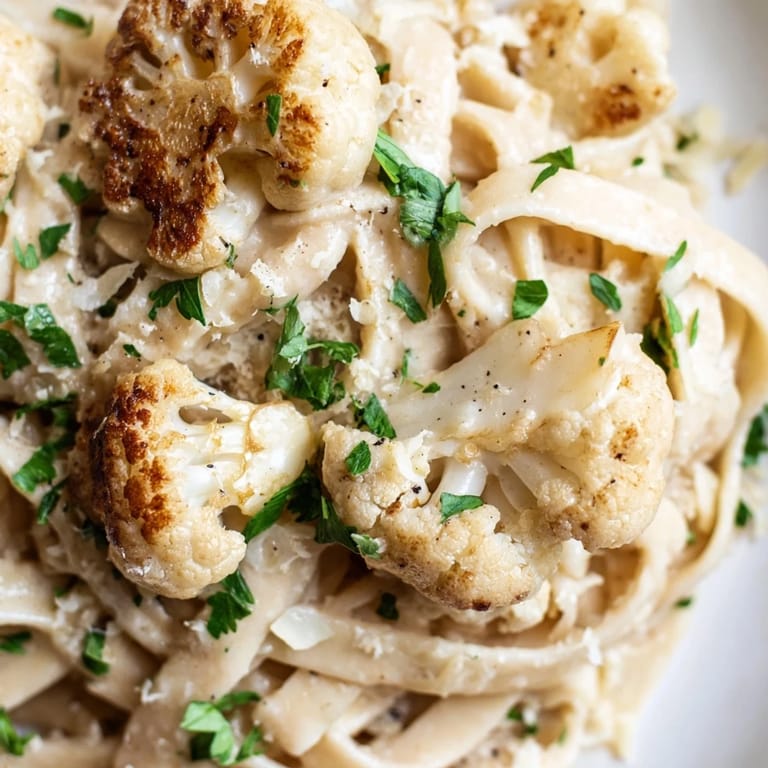
Save My kitchen smelled like butter and roasted garlic the first time I made this, and I kept sneaking bites of the cauliflower straight from the baking sheet. I'd been trying to find ways to make creamy pasta that didn't leave me feeling weighed down, and this recipe came together almost by accident when I had a head of cauliflower that needed using. The sauce turned out silkier than I expected, and my roommate, who usually picks vegetables out of everything, scraped her bowl clean. I've made it at least a dozen times since, tweaking the nutmeg and Parmesan until it felt just right. Now it's the recipe I make when I want comfort without the guilt.
I'll never forget the night I served this to my skeptical brother, who declared he hated cauliflower before even sitting down. He twirled his fork suspiciously, took one bite, then looked up at me with genuine confusion. He asked what was in the sauce three times before I finally told him, and even then he didn't believe me until I showed him the blender. That was the moment I realized this recipe had real power. It's become my secret weapon for picky eaters and veggie doubters ever since.
Ingredients
- Cauliflower: The star of the show, and roasting it until golden is what makes this sauce magical instead of bland, so don't skip the oven step.
- Garlic: Roasting whole cloves mellows their sharpness into something sweet and buttery that blends right into the sauce.
- Whole Milk: This adds creaminess without being too heavy, though I've used oat milk in a pinch and it worked surprisingly well.
- Parmesan Cheese: Use the real stuff, freshly grated, because pre-shredded doesn't melt as smoothly and the flavor isn't as rich.
- Unsalted Butter: Adds silkiness and helps the sauce cling to the pasta, plus you can control the salt level better.
- Fettuccine: Classic choice, but honestly any pasta shape with some surface area to grab the sauce will work beautifully.
- Nutmeg: Just a whisper of it brings warmth and depth, but go easy or it'll taste like holiday cookies.
- Salt and Pepper: Season generously, especially the pasta water, because that's where a lot of the flavor starts.
- Fresh Parsley: Optional but lovely for a pop of color and freshness at the end.
Tired of Takeout? 🥡
Get 10 meals you can make faster than delivery arrives. Seriously.
One email. No spam. Unsubscribe anytime.
Instructions
- Prep the Oven:
- Crank your oven to 425°F and line a baking sheet with parchment so cleanup is a breeze. This high heat is what gives the cauliflower those caramelized, almost nutty edges.
- Roast the Cauliflower:
- Toss your florets and garlic with a tablespoon of butter, spread them out so they're not crowded, and roast for 25 to 30 minutes, flipping halfway. You want them tender enough to pierce easily and golden brown in spots.
- Cook the Pasta:
- While the cauliflower roasts, boil your pasta in generously salted water until it's just al dente. Don't forget to save a cup of that starchy pasta water before you drain—it's liquid gold for adjusting the sauce.
- Blend the Sauce:
- Toss the roasted cauliflower, garlic, remaining butter, milk, Parmesan, nutmeg, salt, and pepper into a blender and puree until it's completely smooth. Add pasta water a splash at a time if it's too thick.
- Combine and Heat:
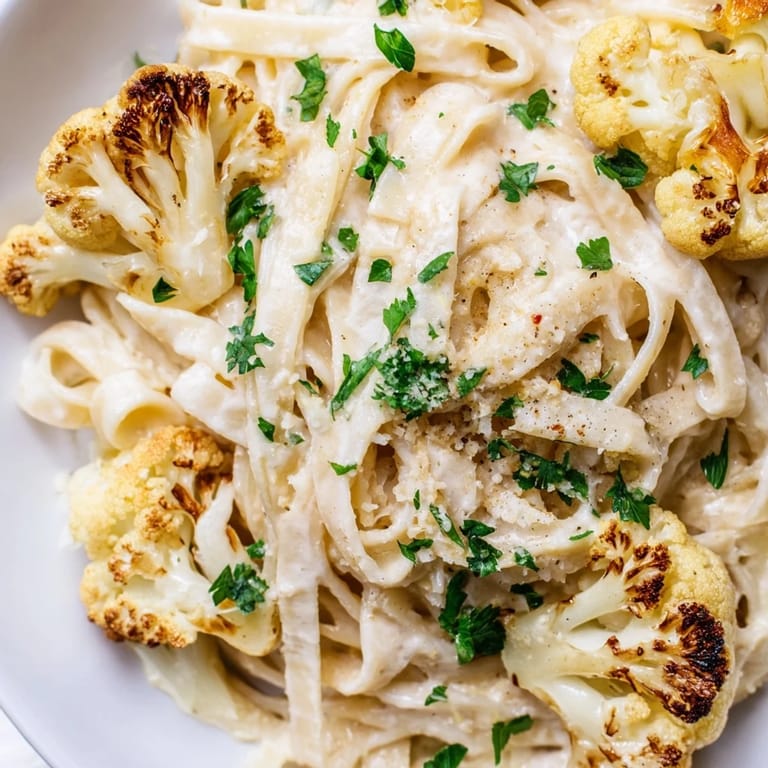
- Pour the sauce into a large skillet over medium heat and let it warm through until it's just barely bubbling. Toss in your drained pasta and stir until every strand is coated and glossy.
- Serve It Up:
- Plate it immediately while it's hot and creamy, then finish with a sprinkle of parsley and extra Parmesan if you're feeling generous. This is best enjoyed fresh, with good company and maybe some crusty bread on the side.
 Save
Save There's a particular quiet that settles over the table when everyone's too busy eating to talk, and that's what happened the first time I made this for a dinner party. My friend Sarah, who's always on some new diet, looked genuinely relieved when I told her what was in it. We ended up sitting around the table long after the plates were empty, pouring more wine and talking about how food doesn't have to be complicated to feel special. That night reminded me why I cook in the first place.
Making It Your Own
I've played around with this recipe more times than I can count, and it's forgiving enough to handle all kinds of tweaks. A squeeze of lemon juice at the end brightens everything up and cuts through the richness beautifully. I've also stirred in a handful of wilted spinach or sautéed mushrooms when I wanted to stretch it further or add more texture. If you like a little heat, a pinch of red pepper flakes in the blender does wonders. The base is solid enough that you can make it yours without losing what makes it work.
Storing and Reheating
Leftovers keep well in the fridge for about three days, though the sauce will thicken up as it sits. When you reheat it, add a splash of milk or pasta water and warm it gently over low heat, stirring constantly so it doesn't split. I've found that reheating in a skillet works better than the microwave because you have more control over the texture. If you're meal prepping, store the sauce and pasta separately so the noodles don't soak up all the creaminess. It takes an extra minute to combine them, but it's worth it for the right consistency.
Serving Suggestions
This pasta is rich enough to be the main event, but I like to serve it with something light and crisp on the side. A simple arugula salad with lemon vinaigrette balances the creaminess perfectly, and garlic bread is never a bad idea if you're leaning into full comfort mode. I've also served it alongside roasted chicken or grilled shrimp when I wanted to make it feel more like a complete meal. A glass of white wine, something buttery like a Chardonnay, ties everything together beautifully.
- Pair with a peppery arugula salad dressed in lemon and olive oil.
- Add grilled chicken, shrimp, or crispy chickpeas for extra protein.
- Serve with garlic bread or focaccia to soak up every last bit of sauce.
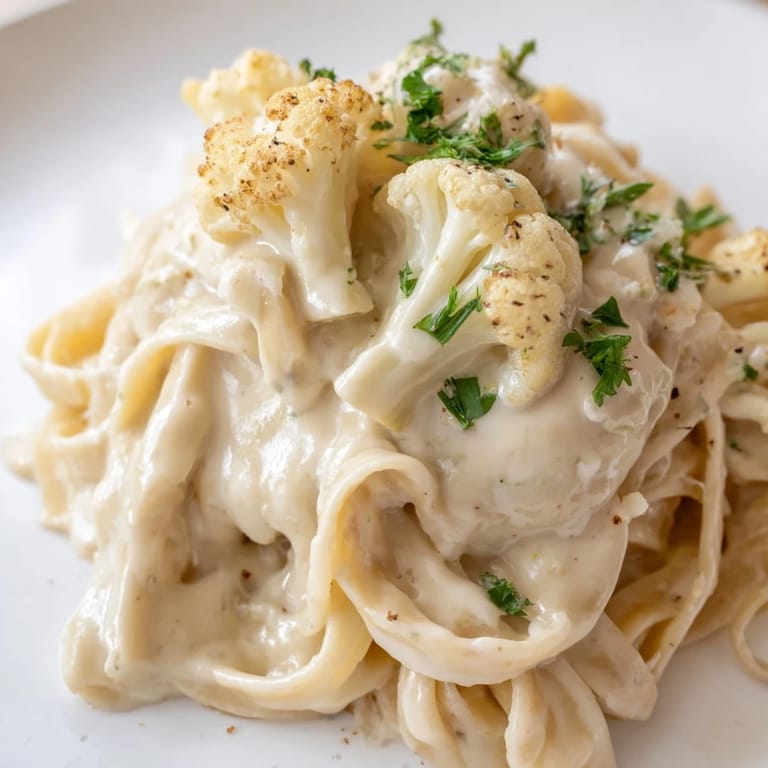 Save
Save This recipe has earned its place in my regular rotation, and I hope it does the same for you. There's something deeply satisfying about a dish that feels indulgent but leaves you light enough to go back for seconds.
Recipe FAQs
- → How do I ensure the cauliflower roasts evenly?
Cut the florets into similar-sized pieces and stir them halfway through roasting. This ensures even caramelization and tender texture by the 25-30 minute mark.
- → Can I make this sauce ahead of time?
Yes, prepare the sauce up to 2 days in advance and refrigerate it. Gently reheat on the stovetop over medium heat, adding pasta water or milk to reach your desired consistency.
- → What pasta works best with this sauce?
Fettuccine is traditional, but any shape works well. Wider noodles like pappardelle or ridged pasta catch more sauce. For gluten-free, use quality gluten-free alternatives.
- → How can I make this completely dairy-free?
Substitute whole milk with unsweetened oat or almond milk, use dairy-free butter, and replace Parmesan with nutritional yeast or a plant-based Parmesan alternative.
- → Why reserve pasta water, and how much do I actually use?
Starchy pasta water helps emulsify the sauce and creates a silky coating. Start with a quarter cup when blending and add more gradually until you achieve the desired consistency—typically 2-4 tablespoons total.
- → Can I add proteins to this dish?
Absolutely. Grilled chicken, sautéed mushrooms, roasted chickpeas, or crispy pancetta pair beautifully. Add them as a topping or toss into the finished pasta for extra substance.